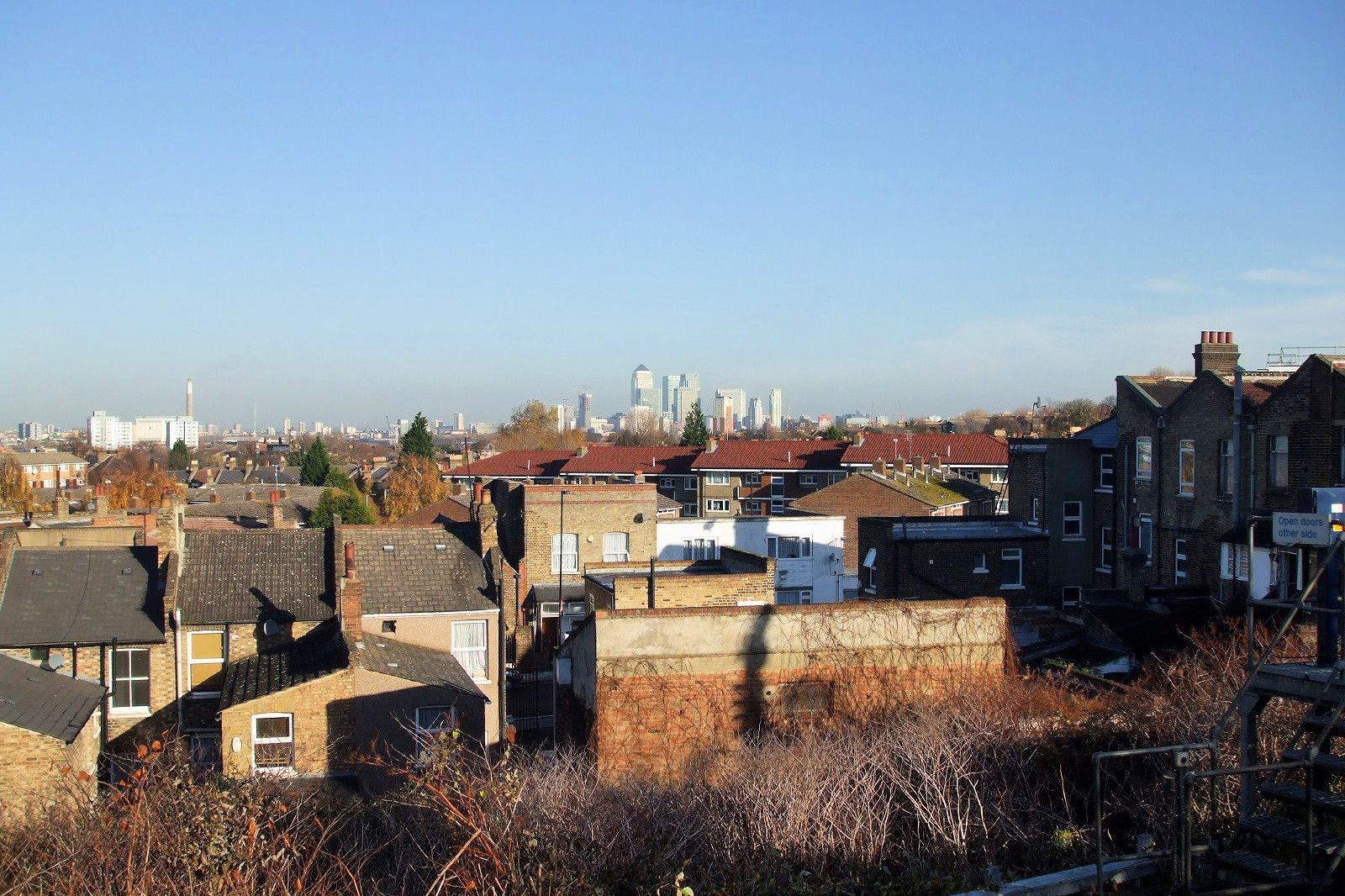
SE15 Area Guide
A locals' guide to SE15
Where do SE15 locals go?

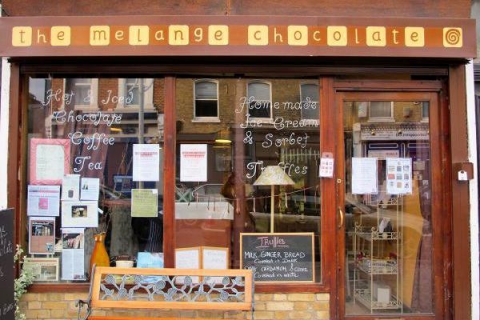
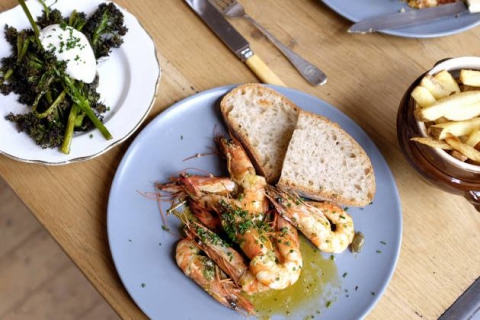
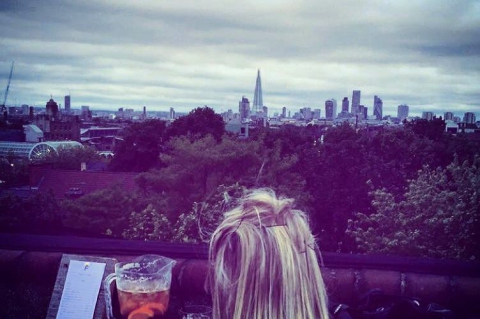
Did you know?
"Frenchman, Robert Hubert confessed to starting the Great Fire of London and was hanged. However, he wasn't actually in London when the fire started!"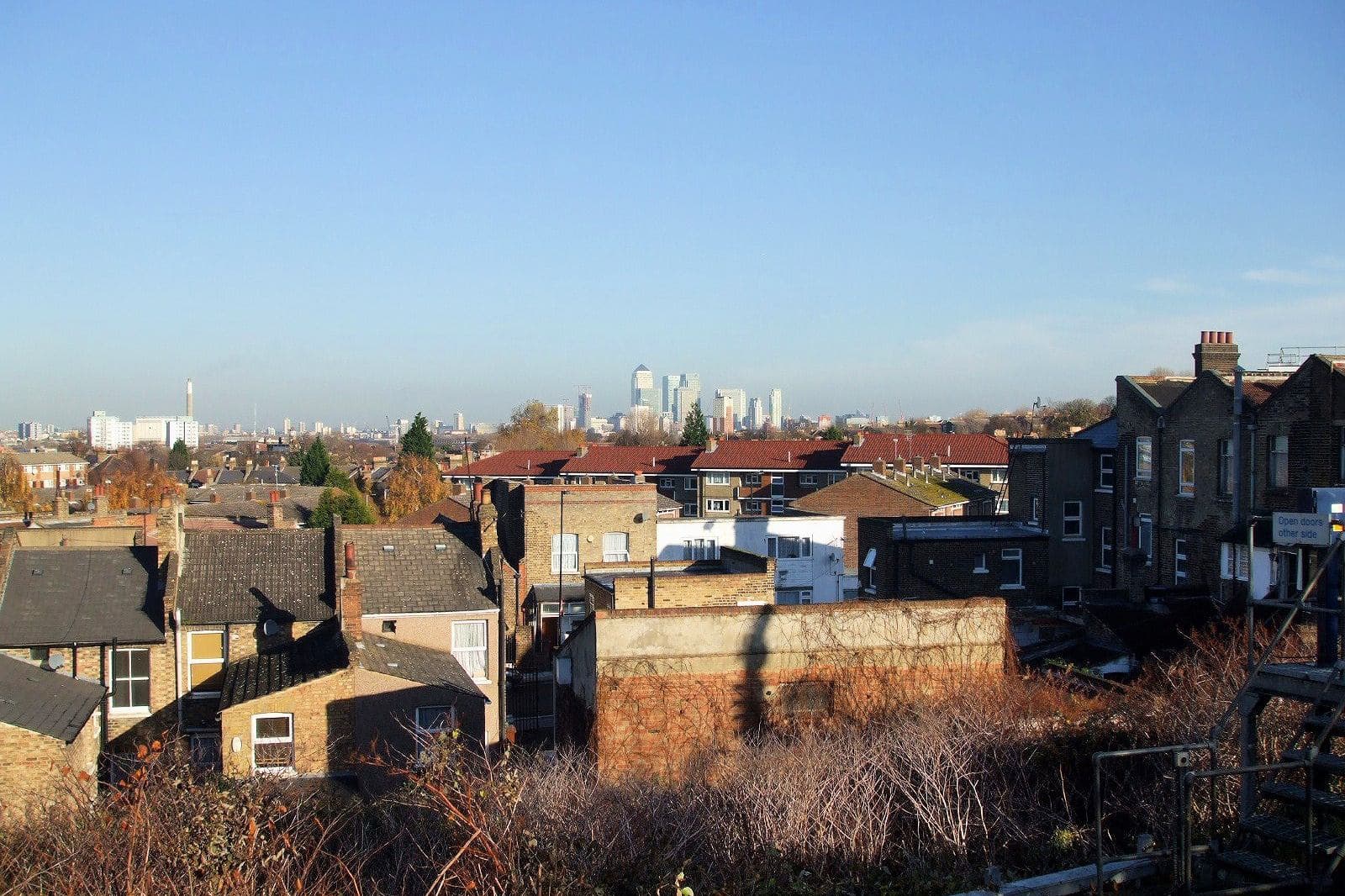
Chris Venter
Dominic Butler

Michael Schult
Explore SE15


What locals say about SE15
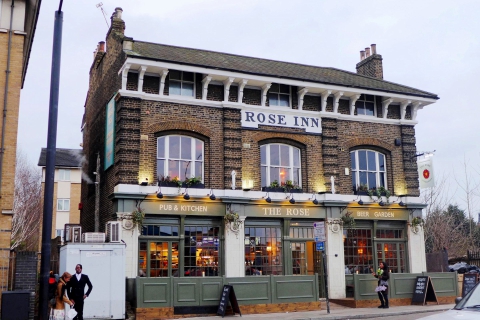
“Nunhead has a lovely village-y feel while still being really close to bustling Peckham and New Cross. We have our own great restaurants, bars and shops close to Nunhead Green. A few favourites: great craft beer micro pub: the Beer Shop, lovely French bistro: Babette; amazing sour dough pizzas: 400 Rabbits.”
Hannah
“Peckham and particularly Bellenden Road has an array of cafes and amazing restaurants. ”
Sally
“I love Peckham Rye because transport links are great. It takes 20 minutes by bus to get into the centre of London and 15 by train. The shops are great for food shopping and the area is bursting with culture.”
Camille
Activities near SE15

At The Threshold
A night of song, poetry and ritual - This is a special Turning of the Seasons event in support of and fundraising for a dear member of our community who is currently in need of mutual aid for essential care and living costs. As we move deeper into the Spring, we gather at the threshold of a new season. A space for reflection, release and collective intention. Through live music, poetry, and our Spring Awakening ritual, we will come together to support one of our own and celebrate the strength of community care. All proceeds from the evening will go towards helping fund a new wheelchair and essential living expenses for our beloved friend and artist who is navigating chronic illness and loss of government diasbility support. When the system fails us, community can step in and hold us. Accessibility: There is step-free access to the gallery via the door to the left hand side of the main entrance. There is a wheelchair accessible toilet. The event will be taking place in the exhibition space, which is a large open room with bright lighting and some seating available. Staffordshire St is an independent project space in Peckham, South East London. The venue facilitates arts and cultural events and provides affordable studios for artists, makers and designers. Staffordshire St is not-for-profit and all income is invested into developing our public programme which launched the summer of 2022. We intend to support a range of cultural events for the local community. Presented by Turning of the Seasons. This is a 16+ eventRead more

Origins X Small Talk: Anz & Ok Williams
NTS residents, Anz & OK Williams join forces for a night of forward thinking club music at Palais on May 15th. Presented by Origins This is an 21+ eventRead more

Spektrum (Vinyl Takeover)
We're going back to the roots and ditching the digital setups for our next event by taking you back to a time when records and dubplates ruled the booth. No controllers, no laptops, no USB's, just pure vinyl energyRead more

Plant Know How Family Workshop at the Centre for Wildlife Gardening
About the event A free fun course for families living in Southwark finding out about our wild and cultivated plants. On Thursday we will be looking at edible plants and making something to eat. On Friday you will discover the plants that have medicinal properties and you will make a lotion, a potion and a balm. Games, stories, crafts. Only for families who have not attended one of our Southwark family learning courses this academic year. This is not a drop in event and can be booked as a single day or both days.Read more

Wonderful Wildlife Weekends at Centre for Wildlife Gardening
About the event Join us to explore our ponds and surrounding areas to discover the wildlife that lives at Centre for Wildlife Gardening. Toads, tadpoles, woodlice and worms are just a selection of the animals that you might discover here! Activities will include using nets to look at animals found in the pond and looking under logs to see what minibeasts we can find. Meet in the garden, if you can't see a member of staff there, pop to the visitor centre and office at the top of the ramp. The session will be led by a member of our Learning & Engagement team. Sessions are aimed at children of all ages and parents/carers together. All children must be accompanied throughout the session by a responsible adult. No need to book, just drop in on the day. This is a free event, but donations are welcome. All profits are invested into London Wildlife Trust’s conservation and education work and the care of its nature reserves.Read more
Nature Tots Forest School (Monday) at Centre for Wildlife Gardening (2025-26)
About the event Nature Tots is a Forest School programme for pre-school children age 18 months to 5 years. We engage and inspire young people and their carers to connect with nature through hands-on outdoor activities around wildlife. During Nature Tots, children will explore their natural surroundings, discovering the animals and habitats around them. Activities include minibeast hunting, woodland games, music and nature crafts. Nature Tots helps children develop their confidence and emotional well-being, and skills in independent learning, problem solving, working with others and creativity. This session takes place on a Monday morning at Centre for Wildlife Gardening. There are toilets and baby changing facilities onsite. Children (and adults) should be dressed appropriately for the weather. We go outside come rain or shine. If the weather is too severe, thunder storms or high winds, we will hold the session in the classroom. These sessions are led by our learning officer and Forest School leader Diana (she/her). Children must be accompanied by an adult. Booking essential, the sessions are bookable for half termly sessions and are £48 per six weeks. Alternatively you can pay a pay as you go price of £12 per session. Sibling discount: £33 per six weeks or £9 for pay as you go. Accompanying adult and sibling under 18 months free. One parent/carer should be accompanied by a maximum of 3 children. Sibling tickets are not available to book online, please contact Sophie at [email protected] if you would like to book any siblings into the programme. This is a rolling programme which runs every Monday, 10.30am - 12.00pm, during term time only. More sessions will be added to the website throughout the year. Autumn term (Sept-Dec 2025) tickets will be available to book on Eventbrite at 9am on Tuesday 3rd June. Spring term (Jan-Mar 2026) will be available to book on Eventbrite at 9am on Tuesday 28th October 2025. Summer term (Apr-Jul 2026) will be available to book on Eventbrite at 9am on Tuesday 17th February 2026. For more information please see the Nature Tots Information Pack. Booking is essential. Tickets can be booked by Pay As You Go (only available if half-term places are not fully booked) or per Half Term below: Autumn 2025 - 1st Half Term (6 weeks) Autumn 2025 - 2nd Half Term (6 weeks) Spring 2026 - 1st Half Term (6 weeks) Spring 2026 - 2nd Half Term (5 weeks only) Summer 2026 - 1st Half Term (5 weeks only) Summer 2026 - 2nd Half Term (7 weeks)Read more

Rafael Escardó - Scaffolder
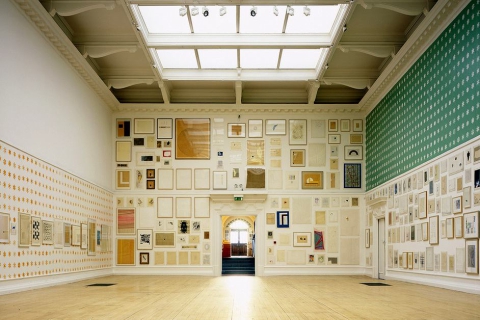
Rafael Escardó’s exhibition Scaffolder at MOCA London is a material exploration in which the body becomes a vessel for constructed identity. Walking through the streets of London, or any expanding city, concrete and steel structures continuously grow into buildings that support hybrid urban lives. Steel bars, textiles, and bolts become the joints, veins, and skeletons of new constructions. Escardó observes these forms and materials while always positioning them in relation to points of the body and the constructions that surround us. Through this approach, he creates a dialogue between subjective, moving human experience and the objective, functional built environment. His sculptures become costumes for his performances, at times acting as symbolic exoskeletons in which the body merges with the sculpture. Through repetitive performative movements, the body undergoes processes of transformation and reconstruction, re-imagining both physical form and human relations. At the center of MOCA London stands a scaffold construction with stacked sculptures whose shapes reminisce about shields or biomorphic forms, as if grown out of scientific research. Suspended and secured by the scaffolding, the repetition of the three sculptures suggests the beginning of a continuous vertical stacking. The role of the scaffolder is to erect, modify, and dismantle temporary structures that provide safe access for workers. Here, the sculptures and scaffolding appear suspended in time, where mass production is momentarily on hold. The steel structure of the scaffolding safely carries the sculptures like a temporary support system. Escardó merges the aesthetics of rough concrete with the curving silhouettes of the sculptures. Like stacked bodies, an erotic tension emerges between the contrasting materials. During the opening event, Escardó and two dancers will perform on the stairs of MOCA London. Through repetition, bodily adjustments, and choreographed performative gestures, their actions draw attention to subtle, mundane movements. They embody passersby or workers navigating their bodies between concrete structures and human connections. Three cast concrete sculptures interlink the performers’ bodies across their shoulders. They become connected bridges, mirroring the scaffolding and the shape of the gallery stairs. The performers themselves become part of the building materials, echoing the scaffolding, as their socks match the colour of the foam and cable ties that protect the stacked sculptures. For Escardó, the use of three performers and three sculptures shifts the experience from a polarized standpoint to a collective one. The sculptures act both as bodily protection and as exoskeletons that enhance the body while reconstructing identities. Often in Escardó’s work he establishes playful, yet critical connections between material and the human body. In Scaffolder, a performative dialogue unfolds between the stacked sculptures—functioning as vertebrae of the rising structure—and the interlinked performers, whose bodies morph into steps and bridges. Human forms become constructed building blocks, while architectural materials take on bodily presence Roberto EkholmRead more
About SE15
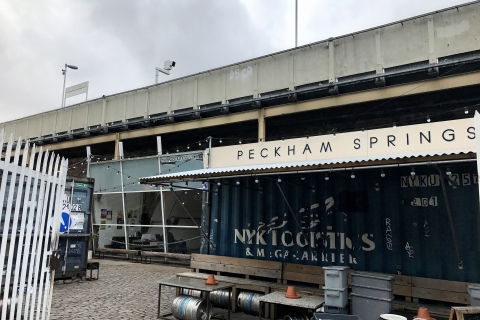
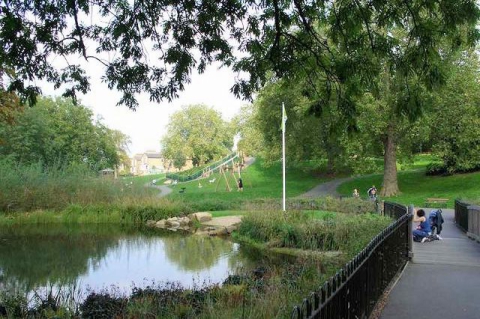
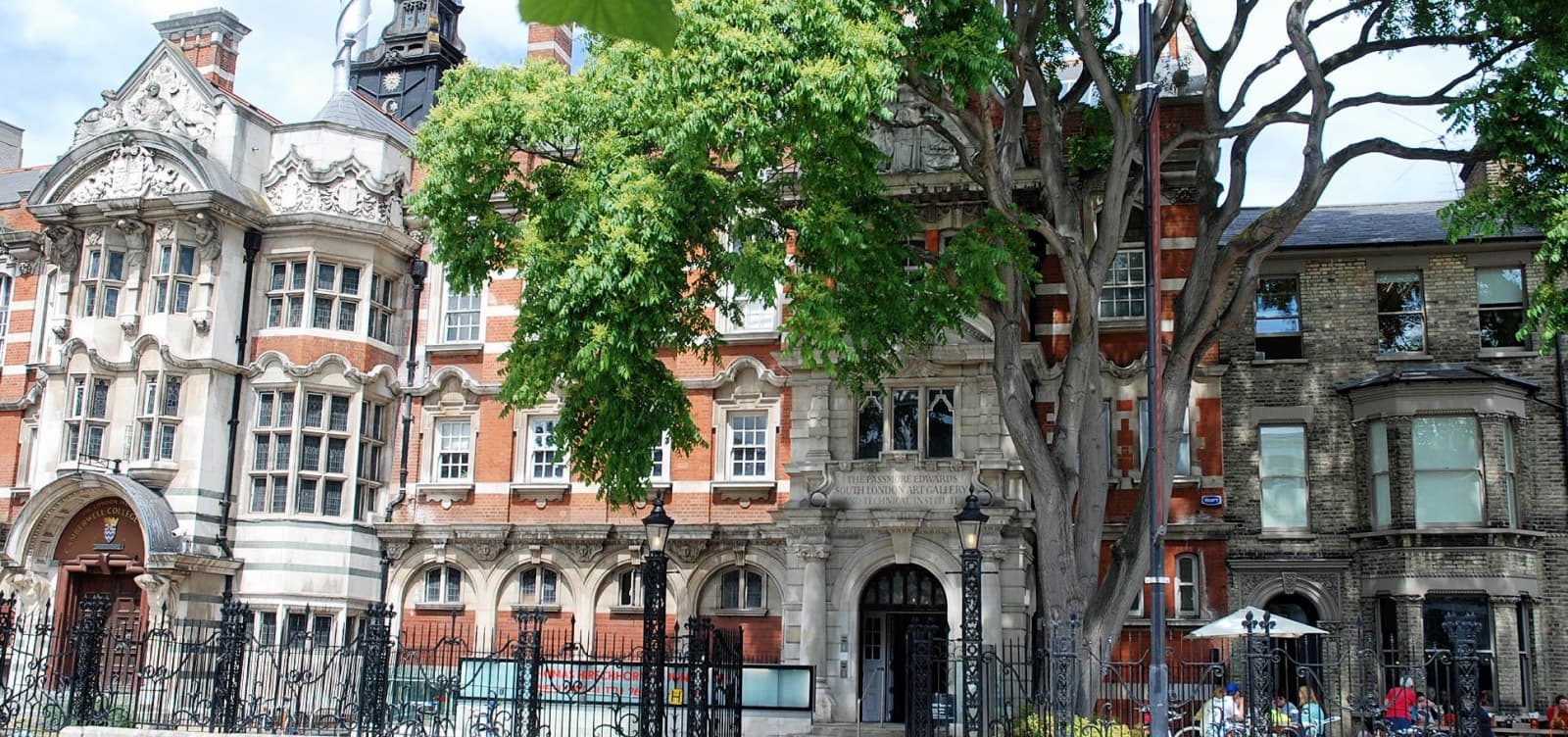
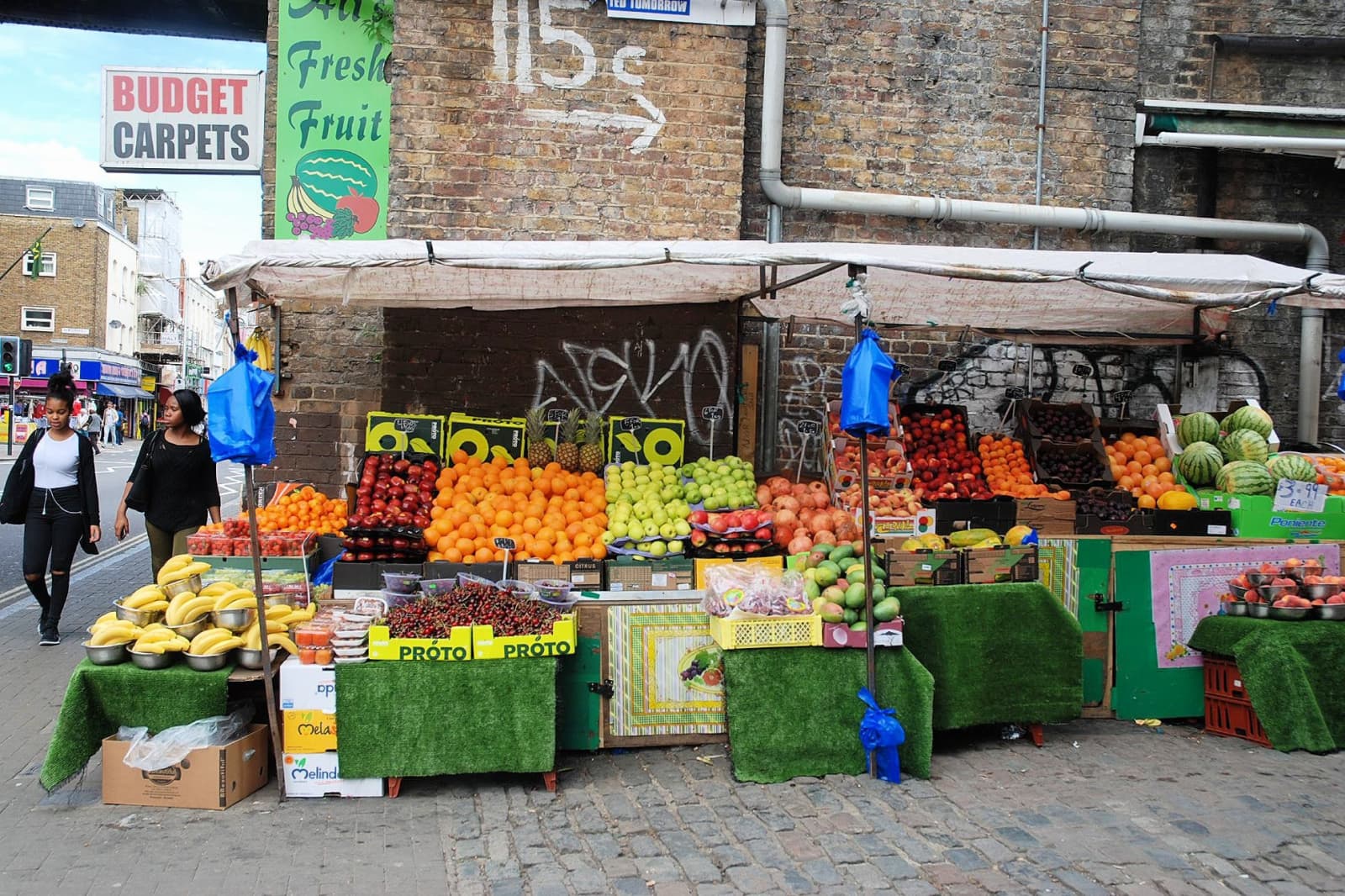
SE15 is the postcode district in South East London incorporating the areas of Peckham, Nunhead and is covered by the Southwark and Lewisham local authorities.
Find out how much your flat or house is worth in SE15.
Local estate agencies
How much is your property worth?
Get your property valued by a local expert
Feedback about living in SE15 has been submitted directly by the public and may not necessarily reflect the views of Foxtons. The description of SE15 was modified from Wikipedia and is available under the Creative Commons licence. Land Registry data is Crown copyright. All the views and contributions contained within Foxtons Local Life are those of the contributors. All content is assessed before publishing for taste, however free opinion is encouraged. Foxtons accept no payment or sponsorship for content that is posted about SE15.